
Introduction
Technology shapes modern medicine and industry quickly. Doctors use videoendoscopes to examine areas that are hard to reach. These devices offer clear views and precise control during procedures. The tools help diagnose conditions early. And they support accurate treatment decisions. Teams rely on them for consistent results. Videoendoscopes are now standard in many hospitals – this change improves patient care. This shift marks a major advance in diagnostic practice.
What is a Videoendoscope?
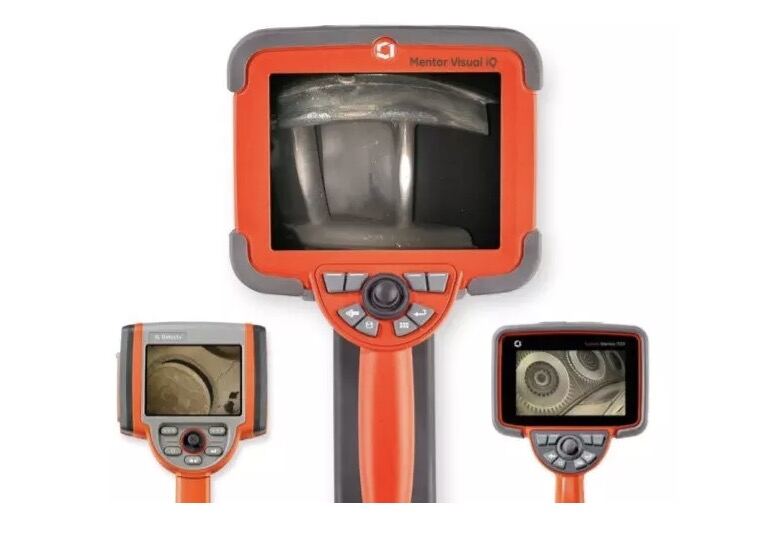
A videoendoscope is a modern electronic device with a small camera on a flexible tube. It probably helps reach spots hard to see directly. The tool sends live video to a screen. Users can watch internal parts clearly and accurately. The thing is, it works best in certain conditions. Turns out, it doesn’t always deliver perfect images.
Use in the Medical Field
Do videoendoscopes really help doctors see inside the body without open surgery? They let doctors view organs directly during procedures. This allows for earlier detection of diseases. Common situations include checking the digestive tract and respiratory system. These tools are often used during routine exams. Patients avoid long recovery times with this method. The results guide treatment decisions. Doctors rely on clear visuals from the device.
- Inspecting the digestive system (such as the stomach and intestines)
- Examining the respiratory tract
- Assisting in minimally invasive surgeries
This technology reduces patient discomfort and shortens recovery time, making medical procedures safer and more efficient.
Industrial Applications
Beyond medicine, videoendoscopes serve many roles in industrial environments. Workers use them to check equipment and systems without taking parts apart. This saves time and reduces risk during maintenance. They help spot wear, leaks, or blockages inside tight spaces. And they allow teams to act quickly when problems appear. Some inspections happen in hard-to-reach areas where access is limited. A technician might insert the device into a pipe or engine housing to get a clear view. The real benefit comes when the tool finds hidden faults early. But these issues can lead to costly breakdowns if left unnoticed. Over 200 inspections per week are conducted at one factory site using this method.
- Checking car engines and mechanical parts
- Inspecting pipelines and drainage systems
- Diagnosing electrical and technical faults
This not only saves time but also significantly reduces maintenance costs.
Key Features
Videoendoscopes come with several impressive features that enhance their performance:
- High-resolution camerafor clear and detailed visuals
- Flexible probefor reaching tight and complex spaces
- LED lightingfor visibility in dark environments
- Portable designfor convenience and ease of use
These features make the device highly effective and user-friendly.
Benefits
The use of videoendoscopes offers numerous advantages:
- Non-invasive inspection
- Accurate and real-time results
- Time-efficient processes
- Cost-effective solutions
These benefits have made videoendoscopes a preferred choice for professionals worldwide.
Conclusion
The videoendoscope offers clear internal views without surgery. And this change has already improved medical and industrial procedures. It allows accurate inspections and diagnoses without cutting into tissue. Technology is making these devices more advanced every year. They’ll be used in more fields as time goes on. And their performance still grows with each update. Future models will have sharper images and better signal strength. Medical teams now rely on them for routine checks. But many still need training to operate them properly.
Mehr Lesen: mildred patricia baena jung